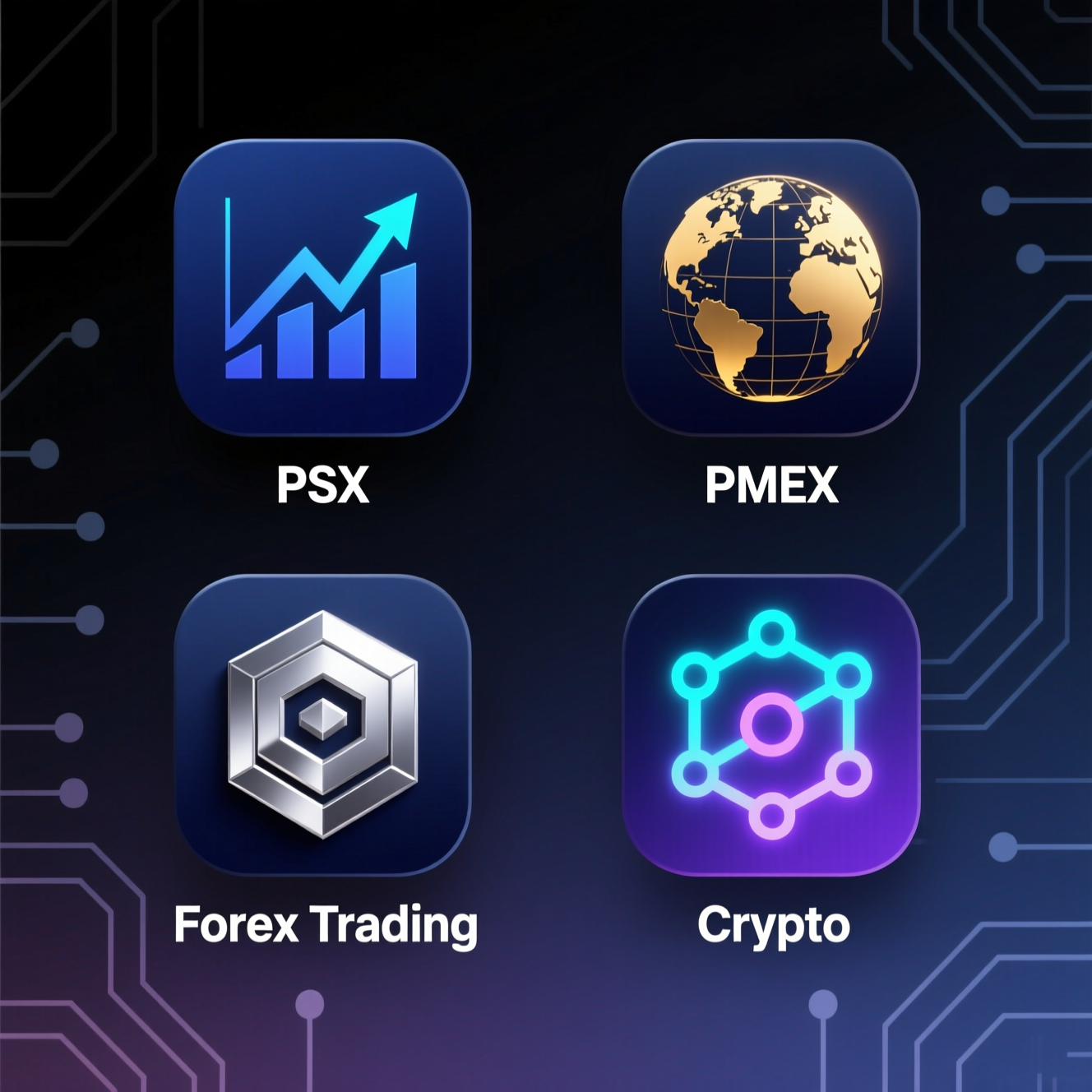
Trading has become increasingly popular, especially among young people looking to grow their income. With better access to technology, mobile apps, and financial education, more individuals are exploring different types of trading. Understanding these types is important before entering the market.
1. What Is Trading?
Trading is the act of buying and selling financial assets to make a profit. These assets can include stocks, currencies, commodities, or cryptocurrencies. Unlike long-term investing, trading focuses on shorter time frames and price movements.
2. Trading vs Long-Term Investing
Trading aims to benefit from short-term price changes, while investing focuses on long-term growth. Traders may hold assets for minutes, days, or weeks, whereas investors usually hold for years. Both approaches have risks and rewards, but trading requires more active involvement.
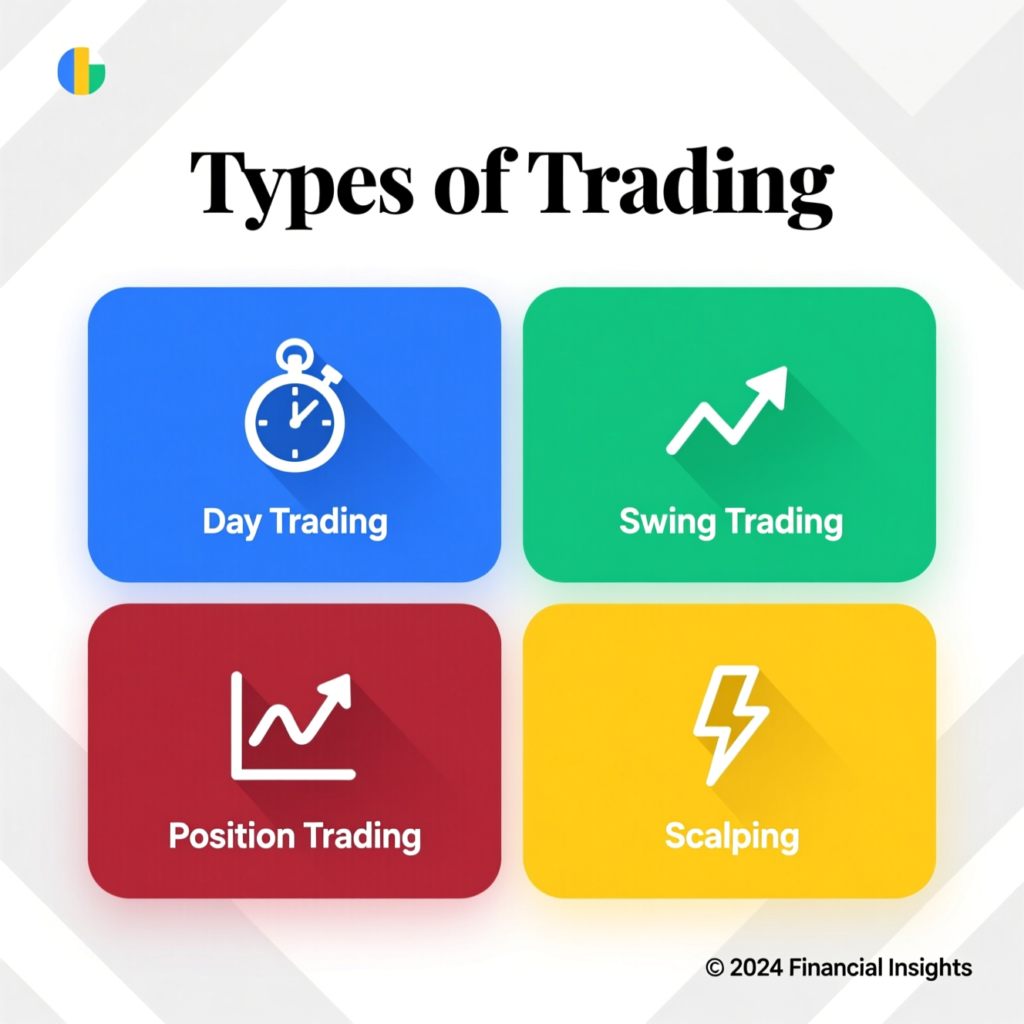
3. Day Trading
Day trading involves buying and selling assets within the same day. Traders do not hold positions overnight. This type of trading requires:
- Quick decision-making
- Strong discipline
- Continuous market monitoring
Day trading is risky and more suitable for experienced traders.
4. Swing Trading
Swing trading is a medium-term trading style. Traders hold positions for a few days or weeks to benefit from market swings. It is less stressful than day trading and suitable for people who cannot watch the market all day.
Swing trading is popular among beginners because it allows time for analysis and planning.
5. Position Trading
Position trading focuses on longer-term market trends. Traders may hold assets for months. This type of trading relies on:
- Strong market analysis
- Economic and company fundamentals
- Patience
Position trading is closer to investing but still involves active buying and selling decisions.
6. Scalping
Scalping is a very short-term trading method where traders make small profits from many trades. Trades last seconds or minutes. Scalping requires:
- High focus
- Fast execution
- Low emotions
It is not recommended for beginners due to high pressure and risk.
7. Types of Trading Based on Market
Different markets offer different trading opportunities:
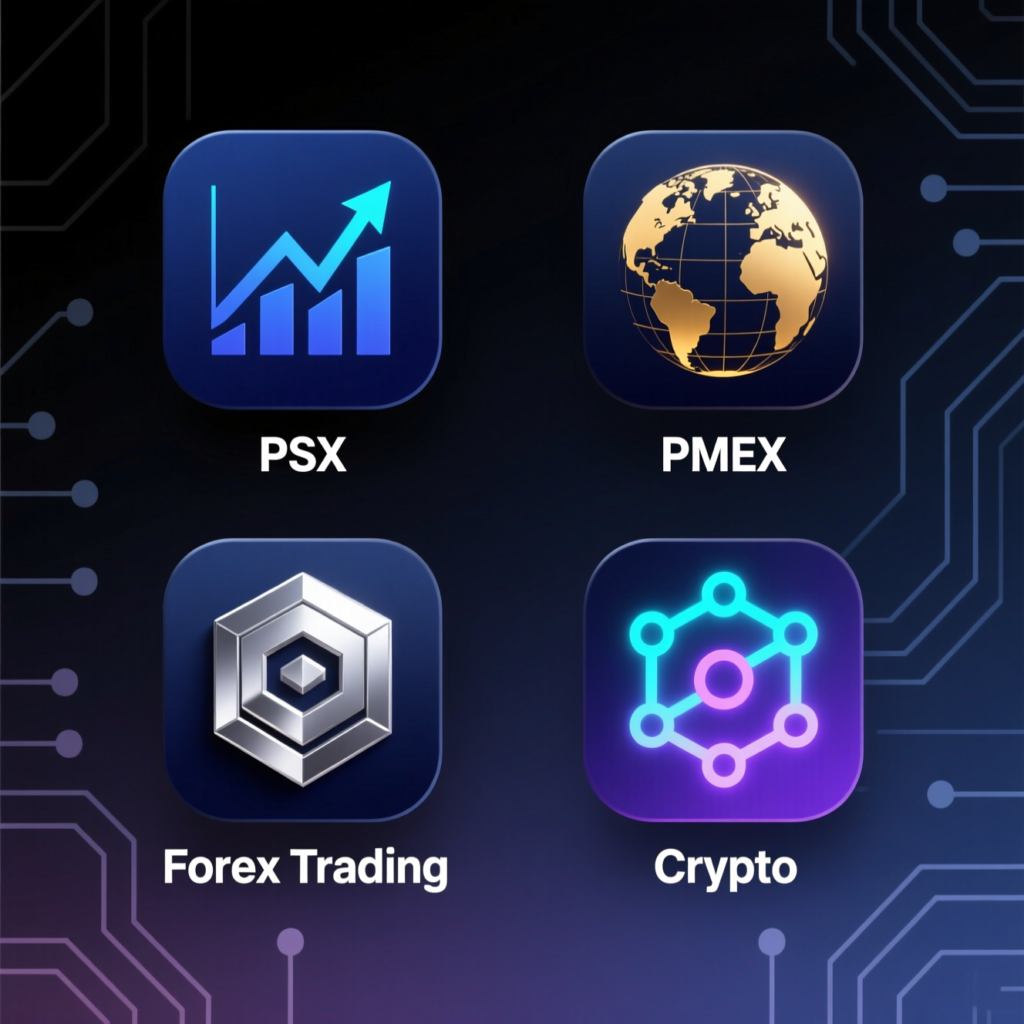
- Stock Trading: Buying and selling company shares
- Forex Trading: Trading currency pairs like USD/PKR
- Crypto Trading: Trading digital assets like Bitcoin
- Commodity Trading: Trading gold, oil, or agricultural products
Each market has its own risks and learning curve.
8. Growth of Trading and PSX in Pakistan
The Pakistan Stock Exchange (PSX) has seen strong growth in recent years. Improved market performance, digital trading platforms, and growing youth participation have increased interest in stock trading.
More Pakistanis are opening trading accounts and learning about stocks, mutual funds, and delivery trading. This growth shows rising confidence in PSX and awareness of financial markets.
9. Risk Management in Trading
Risk management is critical for every trader. Smart traders:
- Use stop-loss orders
- Never invest all capital in one trade
- Control emotions
- Trade with a plan
Without risk management, even skilled traders can lose money.
10. Choosing the Right Type of Trading
The right trading type depends on:
- Available time
- Risk tolerance
- Capital
- Experience level
Beginners should start slowly, learn continuously, and avoid quick-profit promises. Education and discipline are the keys to long-term success.
Conclusion
Trading offers many opportunities, but it is not a shortcut to instant wealth. Understanding different types of trading helps individuals choose the right path based on their goals and lifestyle. With the growing role of PSX and increasing financial awareness, trading can become a valuable skill when approached responsibly.
Learning, patience, and proper planning turn trading into a smart financial journey.
Author Profile

Latest entries
 BlogDecember 30, 2025Soft Skills Every Pakistani Student Should Develop
 BlogDecember 29, 2025Export Without Confusion: Common Export Terms Explained Simply
 BlogDecember 29, 2025Top Export Products from Pakistan with High Global Demand
 BlogDecember 28, 2025How to Start Exporting from Pakistan: A Step-by-Step Beginner Guide