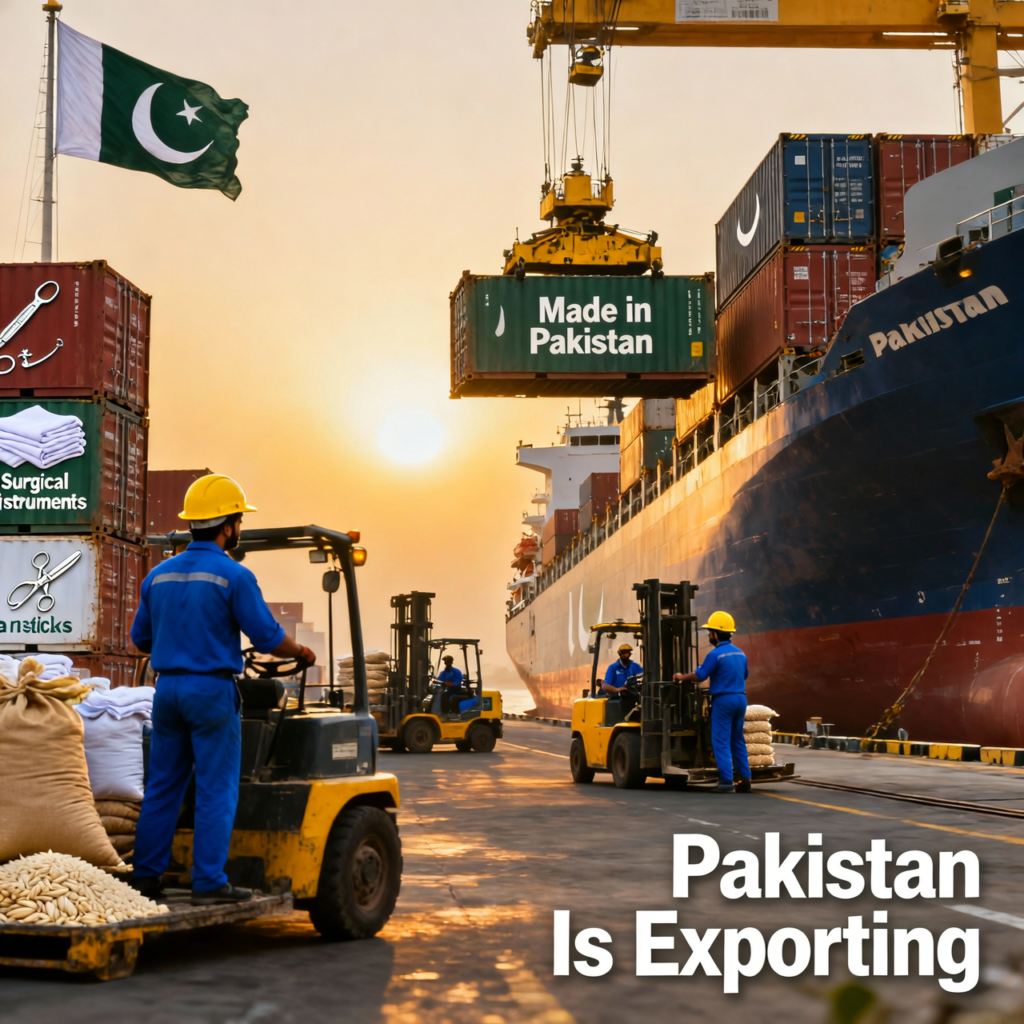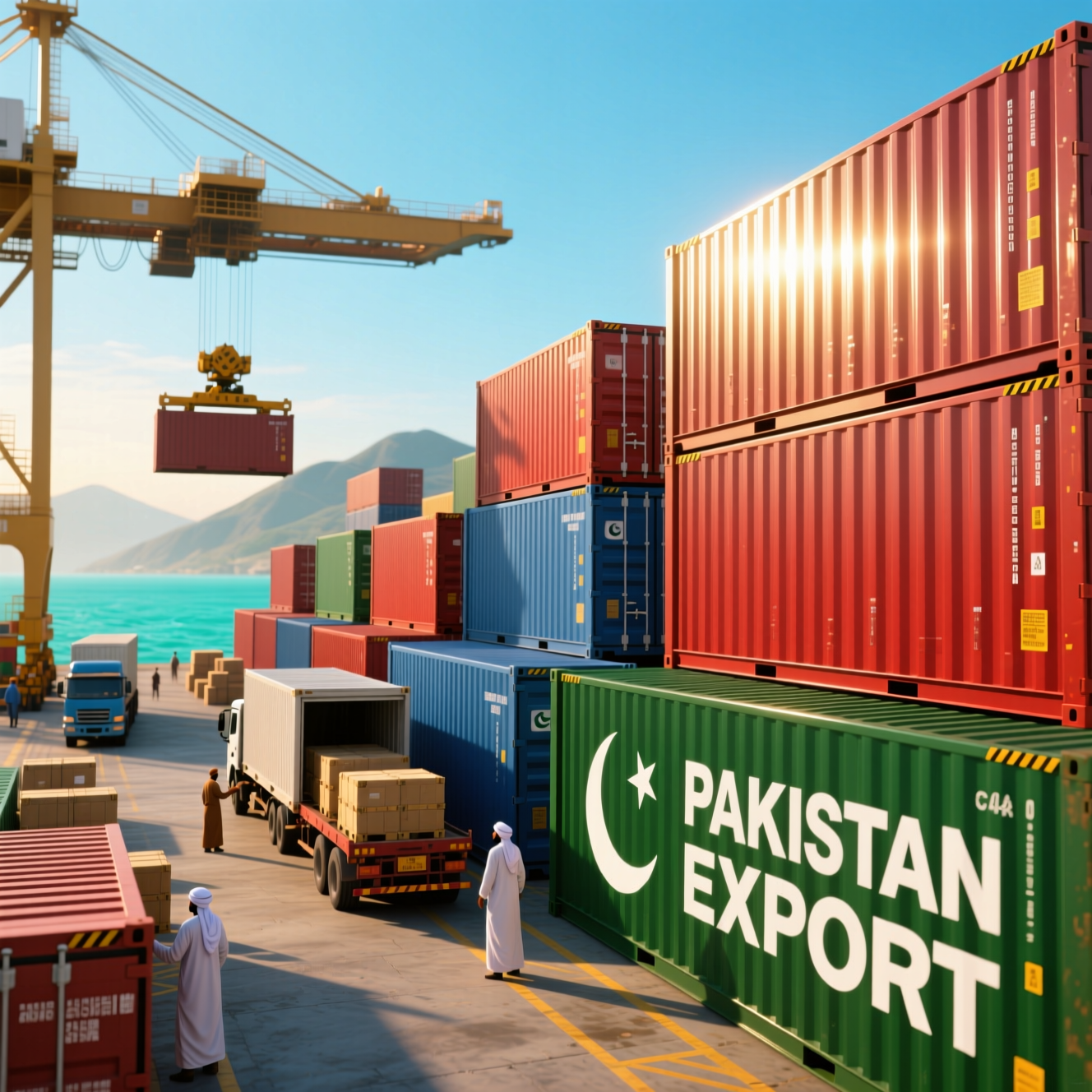
Exporting from Pakistan is one of the best ways to grow a business, earn foreign currency, and access global markets. Many beginners believe exporting is complicated, but in reality, if you follow the right steps and legal process, it becomes manageable and scalable.
This guide explains how to start exporting from Pakistan, step by step, in simple terms.
Step 1: Decide What You Want to Export
The first step is selecting the right product. You can export:
- Manufactured goods (textiles, surgical instruments, sports goods)
- Agricultural products (rice, fruits, spices)
- Value-added products (processed foods, handicrafts)
Make sure your product:
- Has international demand
- Meets quality standards
- Is allowed for export
Some products require special approvals, so product research is critical.
Step 2: Register Your Business in Pakistan
To export legally, your business must be registered. You need:
- National Tax Number (NTN)
- Business registration (sole proprietorship, partnership, or company)
- Sales tax registration (if applicable)
This makes your business compliant with Pakistani laws and international buyers.
Step 3: Open a Bank Account for Export Transactions
Open a business bank account in Pakistan that supports export transactions. Banks play a key role in:
- Receiving foreign payments
- Handling Letters of Credit (LC)
- Issuing export-related documents
Choose a bank experienced in export finance.
Step 4: Register with Pakistan Customs
Customs registration is mandatory for exporters. It allows you to:
- File export declarations
- Clear goods legally
- Access customs systems
This process is mostly digital and often handled with the help of clearing agents.
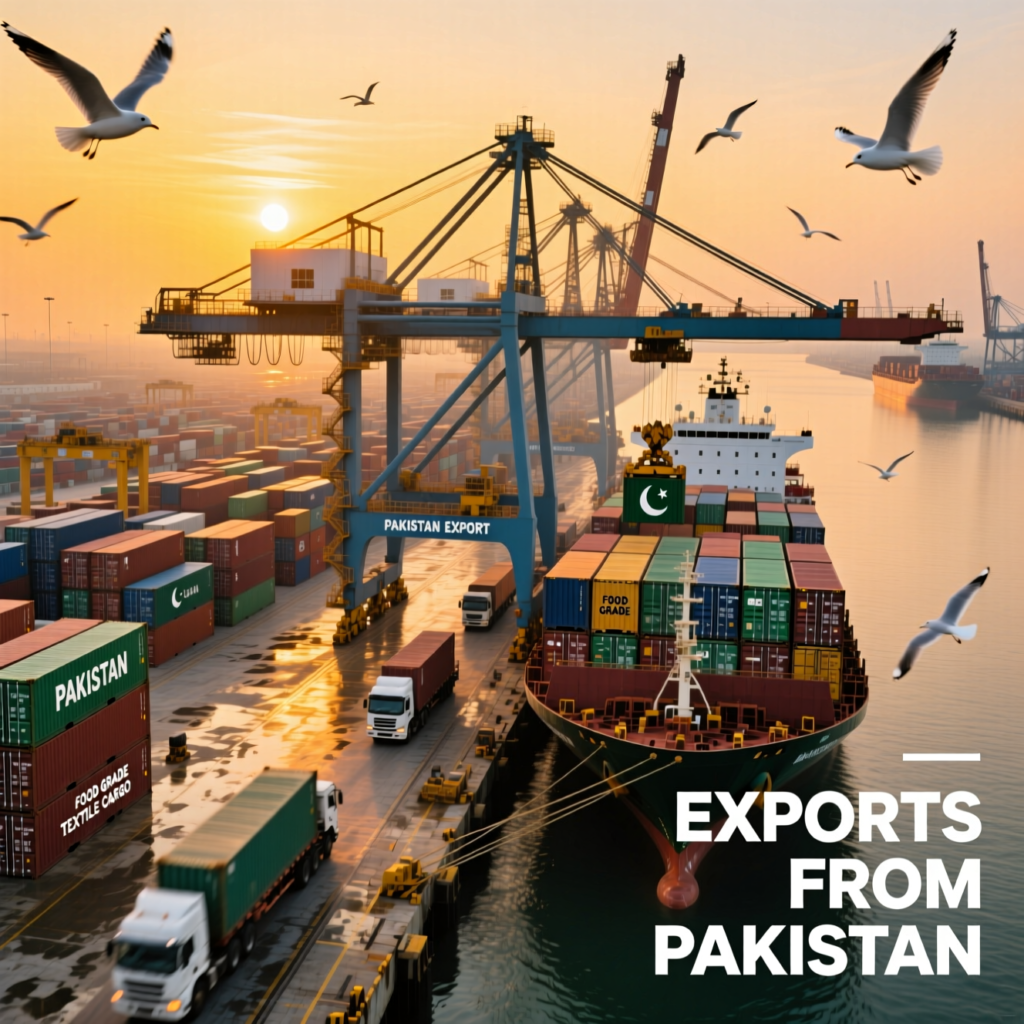
Step 5: Register on Pakistan Single Window (PSW)
The Pakistan Single Window (PSW) is a centralized digital system connecting exporters with customs, banks, and regulatory bodies.
PSW helps you:
- Submit documents online
- Reduce paperwork
- Speed up clearance
PSW registration is now compulsory for exporters.
Step 6: Find International Buyers
You can find buyers through:
- Online B2B platforms
- Trade fairs and exhibitions
- Chambers of Commerce
- Digital marketing and websites
Always verify buyers before finalizing deals to avoid fraud.
Step 7: Finalize Pricing and Payment Terms
Before shipping, agree on:
- Product price
- Incoterms (FOB, CIF, etc.)
- Payment method (Advance payment, LC, bank transfer)
Beginners are advised to prefer advance payments or confirmed LCs for safety.
Step 8: Prepare Export Documents
Common export documents include:
- Commercial Invoice
- Packing List
- Certificate of Origin
- Shipping document (Bill of Lading or Airway Bill)
- Bank E-Form
Additional documents may be required depending on the product and destination country.
Step 9: Arrange Shipping and Customs Clearance
You can ship goods by:
- Sea
- Air
- Land (for regional trade)
Most beginners work with:
- Freight forwarders
- Clearing agents
These professionals handle logistics and customs clearance efficiently.
Step 10: Receive Payment and Maintain Records
Once goods are shipped:
- Submit shipping documents to your bank
- Ensure payment is received
- Maintain records for tax and compliance
Proper documentation builds credibility and helps in future exports.
Important Note for Beginners
Export requirements can change depending on the product and the target country. Always:
- Check destination country regulations
- Stay updated with Pakistani export laws
- Consult professionals when needed
Conclusion
Starting an export business in Pakistan is achievable with the right planning and legal approach. By following these steps, beginners can confidently enter international markets, build trust with buyers, and grow their businesses sustainably.
Exporting is not just about selling products—it is about compliance, consistency, and credibility.
Author Profile

Latest entries
 BlogDecember 30, 2025Soft Skills Every Pakistani Student Should Develop
 BlogDecember 29, 2025Export Without Confusion: Common Export Terms Explained Simply
 BlogDecember 29, 2025Top Export Products from Pakistan with High Global Demand
 BlogDecember 28, 2025How to Start Exporting from Pakistan: A Step-by-Step Beginner Guide